
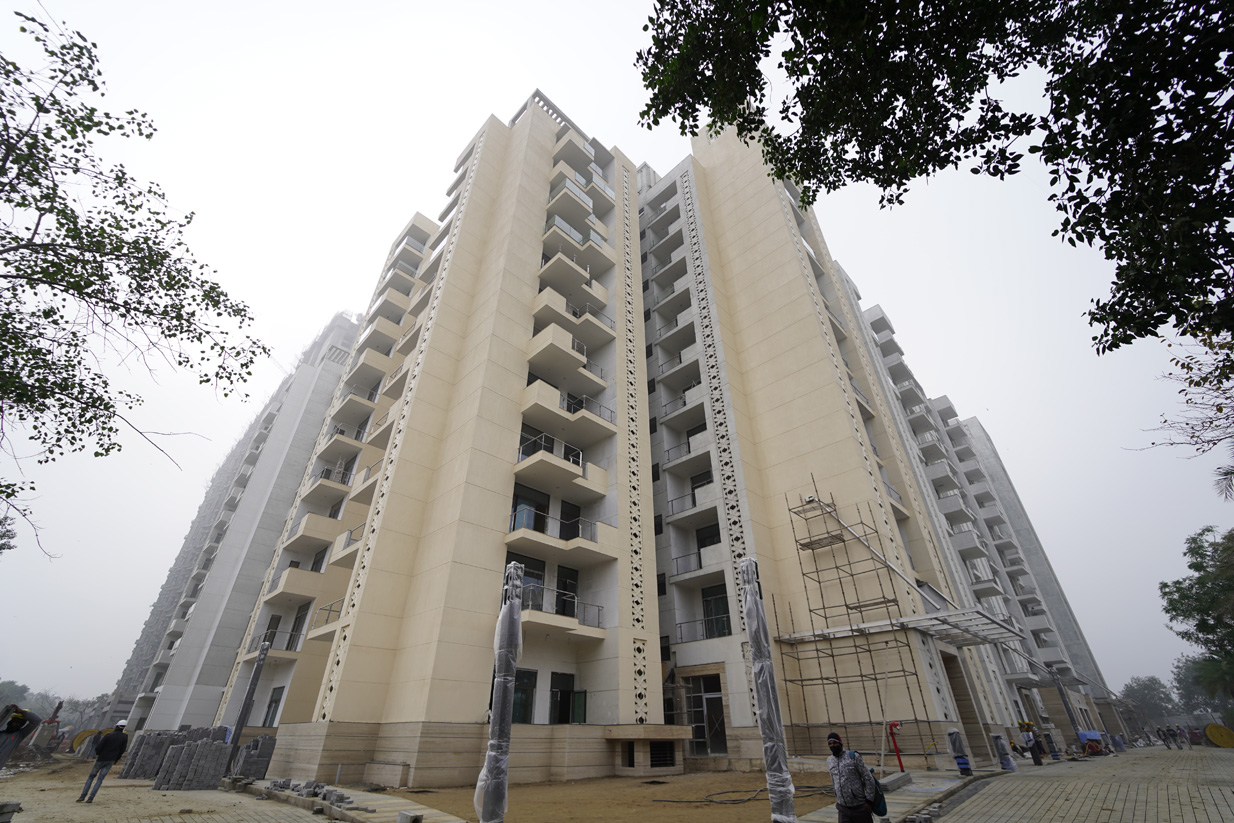
High-Rise Building Construction Process: A Step-by-Step Guide by VSK Infrastructures
Building a high-rise isn’t just about stacking floors on top of each other. It’s a big project that changes how cities look and grow. These tall buildings boost the economy, create jobs, and give people a place to live and work. But constructing them isn’t simple. It comes with many unique challenges like safety, logistics, and design. Knowing each step in the building process helps investors, engineers, and stakeholders make smart choices and get the job done right.
Planning and Design Phase
Project Feasibility and Site Analysis
Choosing the right location is the first key step. The site must meet zoning laws and should have minimal environmental issues. Site analysis includes surveys and soil tests. These checks tell us if the ground can support a tall building. For example, a successful project in Mumbai started with detailed site analysis to avoid future problems. This stage sets the tone for the entire project, saving time and money later.
Architectural and Structural Design
Next, architects develop ideas into detailed plans. They consider how the building will look and how it will handle wind and seismic risks. Modern designs are also focused on being green and safe. Industry leaders are now seeing more skyscrapers with eco-friendly features and safety innovations. Their input guides how we design these towers for future use and safety compliance.
Regulatory Approvals and Permits
Getting approvals from local authorities is vital. This involves meeting building codes, environmental rules, and safety standards. It can take time, sometimes months, for permits to be granted. To speed things up, prepare all documents carefully. A thorough review process with complete paperwork helps prevent delays and keeps the project on track.
Foundation and Basement Construction
Site Preparation and Excavation
Preparing the site involves clearing existing structures and digging deep holes for the foundation. This process requires precise equipment and techniques. Challenges may include dealing with underground utilities or nearby buildings. Strict safety protocols are necessary to protect workers and the environment during excavation.
Foundation Installation
High-rise buildings need strong foundations. Deep foundations like piles are common for skyscrapers because they reach stable ground layers deep underground. The foundation also includes pile caps and basement slabs. For example, The Imperial in Mumbai uses a robust pile system to support its weight. These foundations act as the building’s roots, holding everything steady.
Basement Construction and Waterproofing
Basements are built next. Walls and slabs are poured, and waterproofing is added. Waterproofing stops water from seeping inside, which keeps the structure safe and durable. This step is crucial because it prevents damage over time, especially in rainy or humid places.
Structural Framework Erection
Steel and Concrete Framing
The main skeleton of a skyscraper can be made from steel or reinforced concrete. Steel is strong, quick to erect, and flexible for complex shapes. Concrete may be more sustainable but takes longer to set. The erection involves cranes lifting components into place, carefully sequenced for safety. Challenges like balancing safety and speed often come into play, as seen when constructing the Burj Khalifa.
Floor and Core Construction
Once the frame is up, floors are poured, and core walls for elevators and staircases are built. Reinforced concrete helps make these structures sturdy. Modular construction, which uses pre-made sections, can cut down project timelines significantly. This approach speeds up work while maintaining quality.
Safety and Quality Management
Constant inspections ensure safety rules are followed. Quality checks keep building materials and methods up to standards. Safety experts recommend regular safety drills and strict protocols to protect everyone on site.
Cladding, Facade, and External Works
Exterior Cladding Installation
The outer skin of the building gives it look and weather resistance. Popular materials include glass, aluminum panels, and precast concrete. Installing these panels requires careful planning, especially to handle weather conditions during setup. Many modern skyscrapers, like those in New York City, feature striking glass facades that give them a sleek appearance.
Windows, Ventilation, and External Finishes
High-performance windows and ventilation systems add energy efficiency and comfort. External finishes are painted or coated to look attractive and last longer. Proper maintenance ensures the building remains functional and beautiful for years.
Mechanical, Electrical, and Plumbing Systems
MEP systems are integrated into the facade. They include heating and cooling, electrical wiring, and water supply. Installing these systems at such heights presents unique challenges, like ensuring all parts work smoothly together and meet safety standards.
Interior Fitting, Finishes, and Finalization
Interior Design and Partitioning
When the structure is ready, interiors are planned. Walls, rooms, and fixtures are installed carefully. Smart tech, like advanced lighting and eco-friendly materials, is now a common feature in high-end towers.
Mechanical and Electrical Fittings
Elevators, security cameras, lighting, and HVAC are installed next. These elements must be accessible and safe, meeting all regulations. This step is essential for future comfort and security.
Certification, Inspection, and Handover
Before the building opens, final inspections make sure everything complies with safety and building codes. Getting occupancy certificates marks the end of construction. Creating a checklist for handover helps ensure nothing is missed during this process.
Conclusion
Constructing a high-rise building involves many detailed steps. From planning to final inspection, each phase must be handled with care. Proper design, safety measures, and quality control are the backbone of successful projects. Managing timelines, adhering to regulations, and using innovative methods make all the difference. Working with experienced partners like VSK Infrastructures ensures high-rise projects are built efficiently, safely, and sustainably. When every phase is done right, the result is a stunning skyscraper ready to stand tall for years to come.